Fashion Trends 2025 The best Innovation, and style

Introduction
Fashion trends are far more than seasonal clothing styles they are a reflection of society, culture, and innovation. Every outfit tells a story, and every trend mirrors evolving lifestyles, technology, and creativity. From the streets of New York to Paris runways, from social media influencers to luxury designers, fashion trends influence how millions express individuality.
The concept of fashion trends goes beyond aesthetics; it encompasses personal identity, social influence, and cultural expression. It is a language that communicates who we are, what we value, and how we connect with the world around us. Over decades, trends have shifted from strict elegance to casual streetwear, from luxury couture to sustainable clothing, creating a dynamic landscape that merges art, commerce, and lifestyle.
In this comprehensive guide, we will explore the evolution, current state, and future of fashion trends, focusing on global influences, digital innovation, sustainability, and the cultural forces shaping the way we dress today.

The Evolution of Fashion Trends
Early Fashion and the Birth of Trends
Fashion trends began as markers of social status. In ancient civilizations, clothing was a symbol of wealth, power, and hierarchy. The rich and powerful set trends through luxurious fabrics, intricate embroidery, and opulent accessories. Over time, these trends trickled down to the middle and lower classes, democratizing style.
The Renaissance era introduced elaborate designs and ornate patterns, while the 18th and 19th centuries emphasized sophistication and refinement. Fashion magazines and portraiture became tools for spreading trends across Europe and eventually the United States, laying the groundwork for the global fashion industry.
The 20th Century
The 20th century marked a pivotal moment in fashion trends, as clothing shifted from functionality to self-expression. The 1920s brought flapper dresses, emphasizing liberation and rebellion. The 1950s saw elegance and tailored silhouettes, while the 1960s and 70s embraced counterculture movements like hippie fashion and punk.
By the late 20th century, casual wear, denim, and streetwear emerged, challenging formal norms and making fashion more accessible to the masses. Globalization, mass media, and celebrity influence cemented trends as cultural phenomena rather than mere clothing choices.

Key Global Fashion Trends in 2025
Streetwear and Urban Style
Streetwear has transformed from underground subculture to mainstream fashion. Iconic brands like Supreme, Off-White, and Balenciaga have blurred the lines between casual wear and luxury, creating a trend that emphasizes comfort, individuality, and statement pieces. Oversized silhouettes, bold logos, and sneakers dominate city streets, reflecting youth culture and social media influence.
Sustainable
Sustainability is no longer optional; it is a defining feature of modern fashion trends. Consumers increasingly demand ethically produced clothing, eco-friendly fabrics, and zero-waste designs. Brands like Stella McCartney, Patagonia, and Everlane are leading the charge, proving that style and sustainability can coexist. Organic cotton, recycled fabrics, and plant-based dyes are reshaping the industry and influencing mainstream trends.
Minimalism
Amid fast fashion, minimalism has surged in popularity. Clean lines, neutral tones, and versatile pieces define the modern wardrobe. Minimalist fashion emphasizes quality over quantity and encourages investment in timeless staples rather than fleeting seasonal trends. This trend aligns with sustainability and personal expression, allowing individuals to curate wardrobes that are both functional and stylish.
Digital Influence
The rise of digital fashion is revolutionizing trends. Virtual clothing, augmented reality try-ons, and digital influencers are shaping what people wear in both real and online worlds. Metaverse platforms and fashion NFTs allow users to purchase, trade, and showcase digital outfits, blending technology with self-expression. This trend demonstrates how innovation continuously expands the boundaries of fashion.
Fashion Trends by Category
Women’s Fashion Trends
- Bold colors and statement patterns dominate 2025 collections.
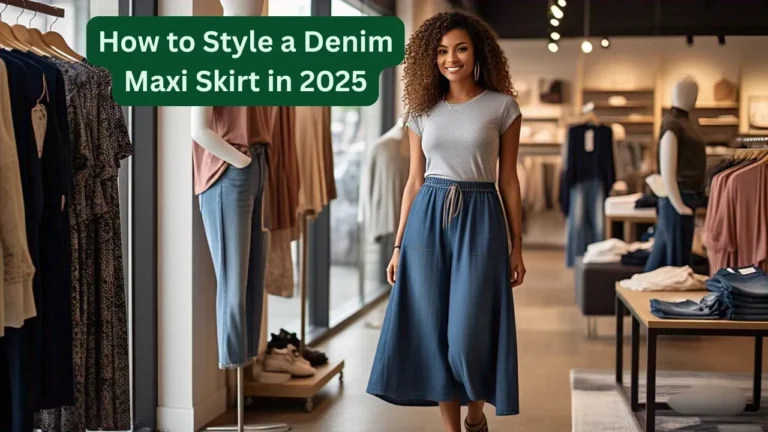
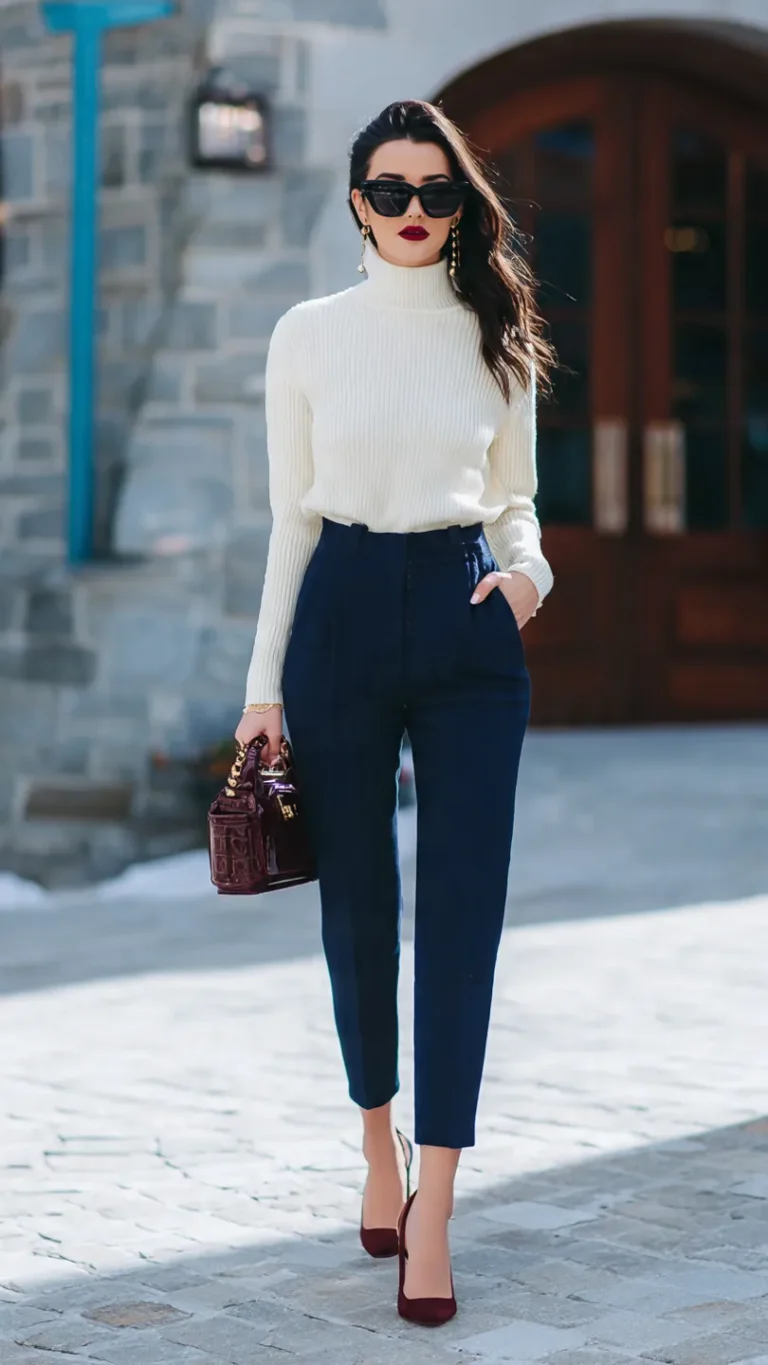
- Oversized blazers, tailored trousers, and vintage-inspired silhouettes remain popular.
- Mix of streetwear elements with classic elegance is a defining feature.
Men’s Fashion Trends
- Relaxed fits, wide-leg trousers, and casual tailoring are trending.
- Streetwear staples like hoodies, sneakers, and branded outerwear remain influential.
- Accessories such as chains, hats, and statement footwear highlight personal style.
Accessories and Footwear
- Chunky sneakers, designer handbags, and statement jewelry continue to dominate.
- Sustainable accessories made from recycled materials are increasingly popular.
- Technology-driven wearables and smart accessories are emerging in the high-fashion space.
How Social Media Shapes Fashion Trends
Social media platforms like Instagram, TikTok, and Pinterest have transformed fashion trends into global phenomena. Influencers and content creators drive trends faster than traditional media. Viral videos, hashtag challenges, and collaboration with brands allow new styles to reach millions instantly, reducing the time it takes for trends to spread worldwide.
Micro-influencers and niche communities also play a critical role, introducing subcultural trends into mainstream fashion. This democratization empowers individuals to participate in trendsetting, creating a more inclusive and diverse fashion ecosystem.
Future of Fashion Trends
AI and Personalization
Artificial intelligence is shaping personalized fashion experiences. From custom sizing to algorithm-driven style recommendations, AI allows consumers to curate wardrobes tailored to their preferences. Predictive analytics is also helping brands forecast trends and reduce waste.
Gender-Neutral and Inclusive Fashion
The industry is moving beyond traditional gender norms. Gender-neutral fashion and unisex collections are increasingly prevalent, focusing on versatility, inclusivity, and individuality. This trend challenges conventional fashion rules while broadening creative expression.
Globalization and Cultural Exchange
Fashion trends are increasingly influenced by global cultures. Traditional textiles, regional crafts, and international street styles are incorporated into contemporary designs. This cultural cross-pollination creates a dynamic, diverse fashion landscape that transcends borders.
FAQs
Q1: What defines a fashion trend?
A fashion trend is a popular style or aesthetic embraced by a large group of people during a specific period. It can include clothing, accessories, colors, or even digital fashion items.
Q2: How long do fashion trends last?
Trends can be seasonal, annual, or long-lasting. Some become timeless staples, while others fade quickly depending on cultural and consumer response.
Q3: What are the key fashion trends of 2025?
Streetwear, sustainable fashion, minimalism, digital fashion, and gender-neutral styles are dominating 2025.
Q4: How can I stay updated with fashion trends?
Follow fashion weeks, social media influencers, fashion blogs, and brand releases to track current and emerging trends.
Conclusion
Fashion trends are more than clothing choices; they are a mirror of cultural values, technological advancement, and social evolution. From sustainable fabrics to digital wardrobes, the future of fashion blends creativity, individuality, and innovation.
The beauty of fashion trends lies in their adaptability — allowing each person to interpret, remix, and personalize styles according to their identity. As globalization, social media, and technology continue to shape trends, fashion will remain a powerful form of self-expression, cultural storytelling, and global connection.
In essence, keeping up with fashion trends is not about following the crowd — it’s about understanding the cultural, technological, and creative forces that define the world we live in. By embracing trends thoughtfully, individuals and brands alike can celebrate style, innovation, and individuality on a global scale.