How Iran Nuclear Power Plants Work Technical Breakdown Security

Iran nuclear power has been in the global spotlight for decades, largely due to its dual-purpose nuclear program that combines civilian energy production with concerns over military applications. Many readers are curious: how does Iran nuclear power actually work, and is it primarily for electricity or nuclear weapons? This article breaks down the technical, economic, and geopolitical aspects of Iran’s nuclear facilities, including the Natanz enrichment plant and the Bushehr nuclear power plant, in a way that is easy to understand.
Iran nuclear power plants, like Bushehr, produce electricity by using uranium fuel through nuclear fission, while facilities such as Natanz focus on uranium enrichment. Although headlines often emphasize security threats and geopolitical tension, the majority of Iran’s nuclear power initiatives are aimed at electricity generation and energy diversification. Understanding these distinctions is crucial for readers looking for factual, balanced, and clear information about Iran’s nuclear energy program.
This guide also addresses common questions, including the safety measures implemented at Iran nuclear power facilities, the role of the International Atomic Energy Agency (IAEA), and the global implications of any incidents at Natanz or Bushehr. By the end, you will have a comprehensive overview of how Iran nuclear power works, its contribution to the national energy grid, and its geopolitical significance in the Middle East and beyond.
Overview of Iran’s Nuclear Power Program
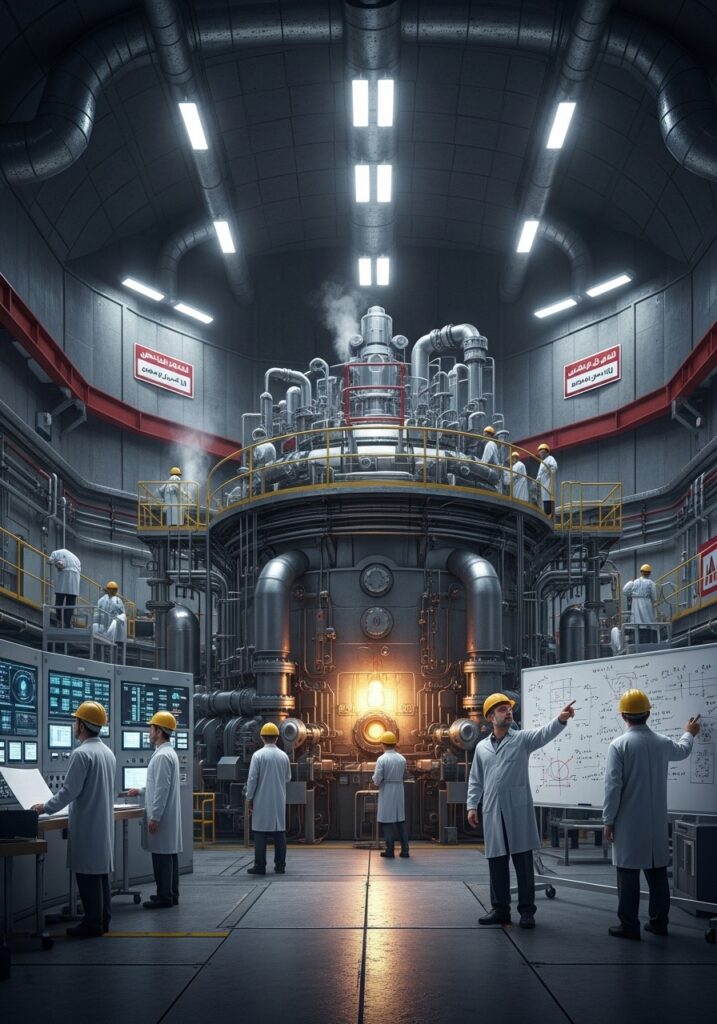
Iran nuclear power program officially began in the 1970s, but it gained international attention in the 2000s due to concerns about uranium enrichment and potential military applications. The program includes multiple facilities, with Natanz serving as the main uranium enrichment site and Bushehr as the primary nuclear power plant producing electricity for civilian use.
The Natanz nuclear facility is equipped with advanced centrifuges that enrich uranium. While this process can theoretically contribute to weaponization if highly enriched uranium is produced, most operations at Natanz remain under international oversight. The International Atomic Energy Agency (IAEA) frequently inspects these facilities to ensure compliance with the nuclear non-proliferation treaty (NPT) and other international standards.
Meanwhile, Bushehr nuclear power plant demonstrates how Iran nuclear power functions as a source of electricity. With a capacity of around 1,000 megawatts, Bushehr contributes significantly to Iran’s national power grid. Iran nuclear power plants collectively aim to diversify energy sources, reduce dependence on fossil fuels, and support long-term energy security.
In addition to these objectives, Iran nuclear power has become a focal point of international diplomacy, sanctions, and regional strategic discussions. While headlines often highlight Natanz bombing incidents or threats to Bushehr, the underlying reality emphasizes technical, civilian energy goals. Understanding the structure and purpose of Iran nuclear power program is essential for anyone studying Middle East energy, security, or geopolitical issues.
How Iran Nuclear Power Plants Work
At its core, Iran nuclear power relies on nuclear fission to generate electricity. The process begins with uranium fuel, which is split into smaller atoms inside a reactor, releasing enormous amounts of heat. This heat turns water into high-pressure steam, which drives turbines connected to generators, ultimately producing electricity. The Bushehr nuclear plant is the primary example of this process in Iran, while enrichment facilities like Natanz handle uranium preparation.
The type of reactors used in Iran nuclear power plants is typically pressurized water reactors (PWRs), which are considered safe and stable for civilian energy production. Uranium enrichment, which occurs at Natanz, involves increasing the concentration of U-235 isotopes to make fuel suitable for reactors. Low-enriched uranium is sufficient for electricity generation, whereas highly enriched uranium is required for nuclear weapons—a distinction that often causes confusion among the public.
Safety is a central component of Iran nuclear power operations. Both Bushehr and Natanz incorporate multiple layers of physical security, monitoring systems, and emergency protocols. The IAEA plays a critical role in verifying that Iran nuclear power activities remain within peaceful and civilian boundaries. Recent incidents, such as limited damage to Natanz entrances, highlight the importance of robust security measures.
In addition, Iran nuclear power facilities are monitored to ensure minimal environmental impact and efficient energy output. By understanding these processes, it becomes clear that Iran nuclear power is primarily focused on producing electricity for national use, while still facing geopolitical scrutiny. This technical breakdown also allows readers to appreciate the engineering, safety, and energy efficiency aspects of nuclear power in Iran.
Security Risks and Threats
Iran nuclear power plants, particularly Natanz and Bushehr, have been targeted by various security threats over the years. Natanz enrichment plant entrances were reportedly damaged in 2026, while Bushehr has faced warnings from international observers regarding potential threats. These incidents underscore the geopolitical significance of Iran nuclear power and the importance of international oversight.
Security at Iran nuclear power facilities is multi-layered. Physical barriers, advanced surveillance systems, and trained personnel are standard across sites. The IAEA frequently inspects facilities to ensure compliance with safety and non-proliferation regulations. These inspections are crucial for maintaining trust between Iran and the international community while verifying that Iran nuclear power remains primarily civilian.
Cybersecurity has also become a growing concern. With modern nuclear plants relying on complex control systems, potential cyber attacks could compromise operations. Lessons from past events, such as cyber sabotage of nuclear facilities in other countries, have informed Iran’s approach to protecting its nuclear infrastructure.
Understanding these threats is essential to grasp the broader context of Iran nuclear power. While headlines often highlight bombing incidents or international warnings, the plants continue to operate safely under strict regulatory oversight. This perspective helps readers differentiate between sensational news and the technical, civilian purposes of Iran nuclear power.
Energy Production and Economic Impact
Iran nuclear power contributes significantly to the country’s energy grid. The Bushehr nuclear power plant produces approximately 1,000 megawatts of electricity, which helps reduce Iran’s reliance on fossil fuels and stabilizes the national energy supply. This contribution is particularly important in peak demand periods and supports Iran’s broader goal of energy diversification.
From an economic perspective, Iran nuclear power reduces domestic oil consumption, freeing resources for export. By generating electricity through nuclear means, the country can allocate more petroleum products to global markets, indirectly influencing oil prices. The efficiency of uranium enrichment and reactor technology at Natanz and Bushehr plays a role in cost-effective electricity production, supporting national infrastructure development.
Moreover, the presence of Iran nuclear power plants encourages technological development, workforce training, and scientific research. Students, engineers, and researchers benefit from studying advanced nuclear technology, further contributing to the national knowledge economy.
By understanding the energy and economic impact of Iran nuclear power, readers can see how nuclear energy extends beyond technical operations into national planning, economic stability, and even global energy markets. This perspective adds depth to discussions often dominated by headlines and geopolitical tension.
Civilian vs Military Nuclear Use
One of the most common questions about Iran nuclear power is whether it is intended for electricity generation or weapons development. Understanding the distinction is critical.
Civilian nuclear power relies on low-enriched uranium (LEU), which is sufficient for electricity generation in reactors like Bushehr. Military nuclear programs, on the other hand, require highly enriched uranium (HEU), which can be used in weapons. Iran nuclear power plants are primarily focused on civilian energy, with international monitoring by the IAEA to prevent weaponization.
The Natanz enrichment facility sometimes generates confusion, as enrichment technology can be dual-purpose. However, international inspections and treaties help ensure that Iran nuclear power facilities do not produce weapons-grade material without detection. This civilian vs military distinction is essential for journalists, researchers, and readers seeking factual understanding.
By presenting a clear explanation, this section addresses misinformation and educates readers about the technical, peaceful objectives of Iran nuclear power while acknowledging geopolitical concerns.
Pros and Cons
Pros:
- Provides stable electricity supply to the national grid
- Reduces dependence on fossil fuels and supports energy diversification
- Encourages technological development and scientific research
- International monitoring ensures civilian use
Cons:
- Facilities are vulnerable to sabotage or attacks, as seen in Natanz incidents
- Geopolitical tensions and international sanctions affect operations
- High costs of construction, maintenance, and monitoring
- Public perception often conflates civilian energy with weaponization
This section helps readers understand the tangible benefits and risks associated with Iran nuclear power, going beyond headlines to provide a balanced view.
Future Outlook
Iran nuclear power is expected to expand in the coming years, with plans to improve reactor efficiency, enhance safety protocols, and potentially develop additional facilities. Advances in reactor technology and uranium enrichment efficiency could allow for higher electricity output while maintaining safety.
International diplomacy and potential nuclear agreements may also influence the trajectory of Iran nuclear power. Agreements like the Joint Comprehensive Plan of Action (JCPOA) affect oversight, international relations, and the global perception of Iran’s nuclear program.
As Iran nuclear power evolves, continued monitoring, technical development, and public transparency will be key to maintaining safe and effective energy production. Understanding these factors provides readers with a long-term perspective, differentiating your content from purely news-focused articles.
FAQs
How does Iran nuclear power plant work?
Iran nuclear power plants, like Bushehr, generate electricity by splitting uranium atoms in a reactor, producing heat to create steam, which powers turbines connected to generators.
Is Iran nuclear power for electricity or weapons?
Iran nuclear power is primarily civilian. Low-enriched uranium is used for electricity, while weaponization would require highly enriched uranium.
How secure is Iran’s nuclear infrastructure?
Security measures include physical barriers, surveillance, emergency protocols, and international oversight by the IAEA.
How many nuclear plants does Iran have?
The main operational plants are Bushehr for electricity and Natanz for uranium enrichment, with plans for additional facilities in the future.
What is the role of the IAEA in Iran’s nuclear program?
The IAEA monitors and inspects Iran nuclear power facilities to ensure peaceful civilian use and compliance with international agreements.
Conclusion
Iran nuclear power represents a complex and multifaceted aspect of the country’s energy, technological, and geopolitical landscape. While headlines often focus on incidents at Natanz or warnings regarding Bushehr, the core purpose of Iran nuclear power remains the generation of electricity and support of national energy security. Facilities like the Bushehr nuclear plant produce approximately 1,000 megawatts of electricity, contributing significantly to the country’s power grid, reducing dependence on fossil fuels, and enabling Iran to allocate more oil resources for global export. Meanwhile, Natanz, as the primary uranium enrichment facility, ensures the technical capacity needed for reactor fuel while remaining under strict international oversight to prevent weaponization.
Understanding Iran nuclear power requires distinguishing between civilian energy applications and military potential. Civilian nuclear programs rely on low-enriched uranium to safely generate electricity, whereas highly enriched uranium is required for nuclear weapons. International monitoring by the International Atomic Energy Agency (IAEA) ensures that Iran nuclear power operations remain primarily peaceful. This oversight includes regular inspections of Natanz, Bushehr, and other facilities, helping maintain transparency and reassure the international community regarding Iran’s compliance with treaties and safety protocols. Such measures also strengthen confidence in Iran nuclear power as a legitimate and safe source of energy, despite geopolitical tension or occasional incidents.
From a broader perspective, Iran nuclear power carries significant economic and technological benefits. By providing a stable electricity supply, nuclear energy reduces domestic reliance on oil and gas, supports industrial growth, and encourages research and development in nuclear technology. Engineers, scientists, and students gain practical exposure to advanced reactor technology, uranium enrichment, and safety management, fostering long-term technological advancement within the country. Moreover, Iran nuclear power has implications beyond national borders, influencing energy markets, regional security discussions, and international diplomacy. Events at Natanz or concerns about Bushehr are closely watched, as any disruption could affect global oil prices, energy supply chains, and geopolitical negotiations.