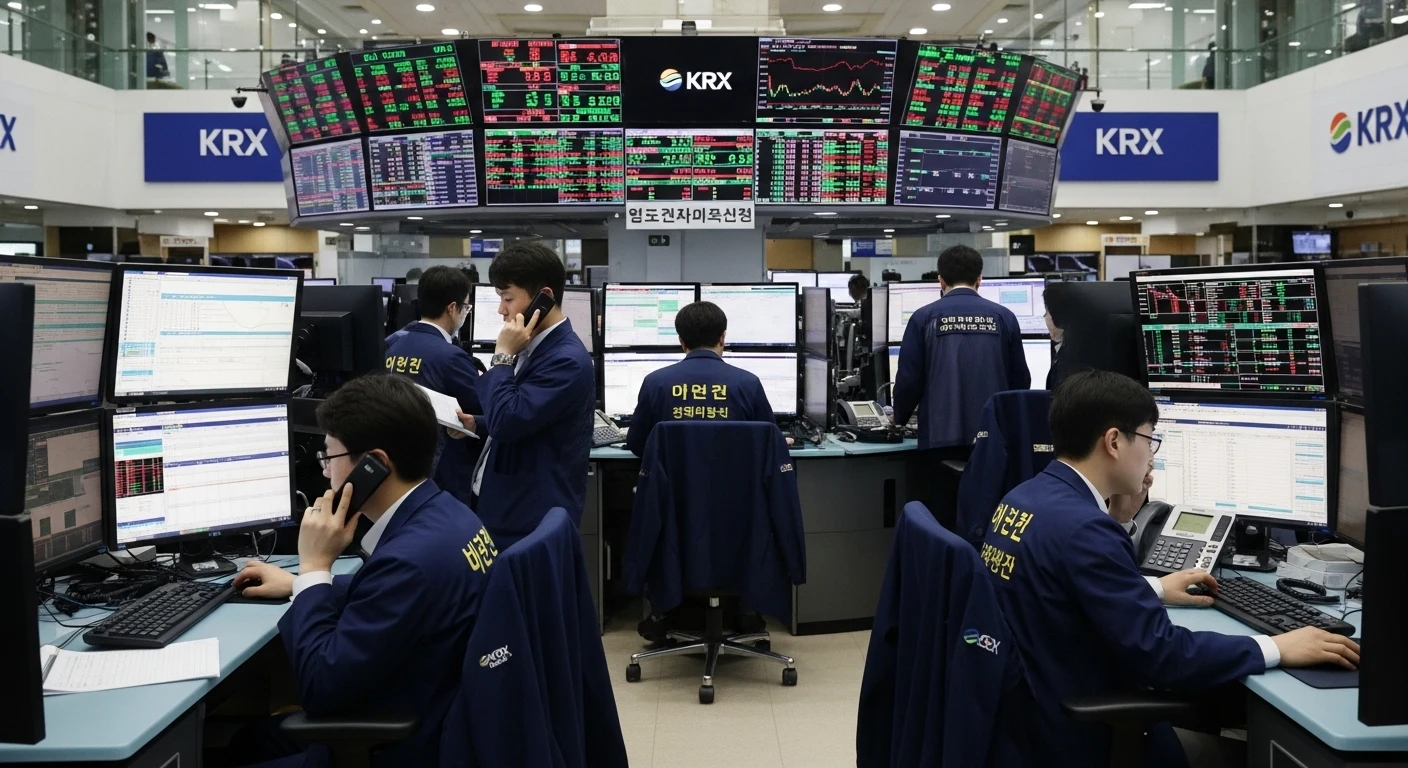
KOSPI & South Korea Economy Complete Guide in 2026

Introduction
South Korea has emerged as one of the most dynamic economies in Asia, combining cutting-edge technology, a strong industrial base, and a globally influential cultural presence. For investors and global market watchers, the KOSPI index, Korea’s benchmark stock market indicator, often reflects not only the performance of domestic companies but also how the country responds to international economic shifts. In March 2026, Korea’s economy and KOSPI movements have been closely watched due to rising geopolitical tensions and fluctuating global markets, making this an ideal time to understand the country’s economic landscape.
The Korea economy is powered by technology giants such as Samsung, LG, and Hyundai, alongside a thriving export sector. From automobiles and electronics to shipbuilding and chemical industries, Korea plays a crucial role in global trade. The KOSPI South Korea stock index news March 2026 highlights how both domestic and international events can influence investor sentiment, stock performance, and overall market stability.
Understanding the Korean stock market is essential not only for investors but also for anyone interested in the country’s economic trends. Global conflicts, policy changes, and Asia market volatility—including movements in the Hang Seng Index and Nikkei 225—can directly affect South Korea’s financial environment.
In this guide, we will break down South Korea’s economy, explain the KOSPI index, and explore how geopolitical events impact market performance. We will also cover beginner-friendly insights for investors, helping you navigate South Korea’s financial landscape confidently. By the end, readers will have a clear understanding of the Korean stock exchange, its key drivers, and practical takeaways for analyzing market trends, making this article a comprehensive resource for both new and experienced audiences.
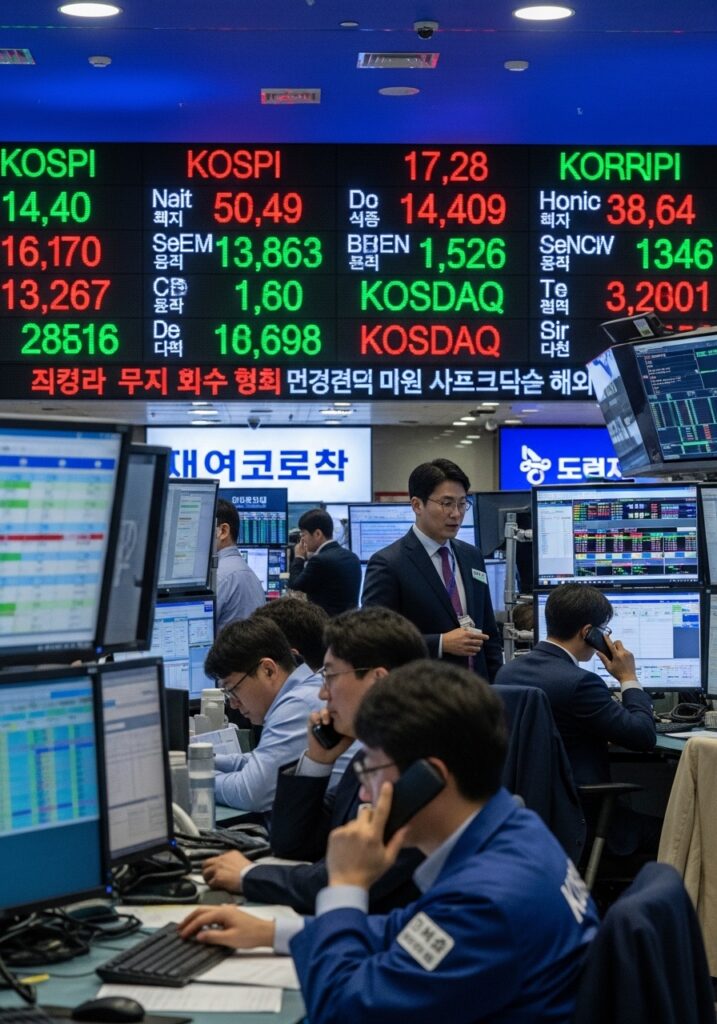
Overview of South Korea Economy
South Korea is widely recognized as one of the fastest-growing and most technologically advanced economies in the world. Its economic landscape combines a robust industrial base, a thriving export sector, and a dynamic tech industry, making it a hub for global trade and investment. With a GDP ranking among the top 15 worldwide, South Korea has transformed from a post-war economy into a powerhouse of innovation and productivity.
The backbone of the South Korea economy lies in its industrial and technological sectors. Global giants such as Samsung, LG, Hyundai, and Kia dominate electronics, automotive, and manufacturing exports, driving both revenue and employment. These companies also play a key role in shaping the KOSPI index, which reflects investor confidence and market trends in real time. Beyond these tech and automotive sectors, Korea is a major player in shipbuilding, chemical production, and the steel industry, further diversifying its economic portfolio.
Exports remain a central pillar of Korea’s economic growth. Electronics, semiconductors, vehicles, ships, and machinery form the bulk of export goods, accounting for a significant share of global trade. The country has strong trading partnerships with the United States, China, Japan, and the European Union. Shifts in global demand, currency fluctuations, and trade policies directly influence Korea’s GDP and the KOSPI South Korea stock index news March 2026, making it essential for investors and analysts to track international economic developments.
In addition to industry and exports, Korea’s service sector including finance, tourism, and logistics—contributes substantially to the economy. Seoul, Busan, and Incheon serve as major commercial hubs, offering modern infrastructure, efficient transportation, and a high standard of living. The government also plays an active role in fostering innovation and economic stability through policies supporting startups, technology, and sustainable energy.
Despite strong fundamentals, South Korea faces challenges such as demographic shifts, geopolitical risks, and occasional market volatility. Events like regional conflicts or fluctuations in global stock indices—including the Hang Seng Index and Nikkei 225—can influence investor sentiment and market trends. Understanding these dynamics is crucial for anyone interested in the Korean stock market or considering investment opportunities.
In summary, South Korea’s economy is a combination of innovation, industrial strength, and strategic global engagement. By tracking sectors, exports, and market indices like KOSPI, readers can gain a clear understanding of how South Korea maintains its competitive edge in Asia and worldwide.
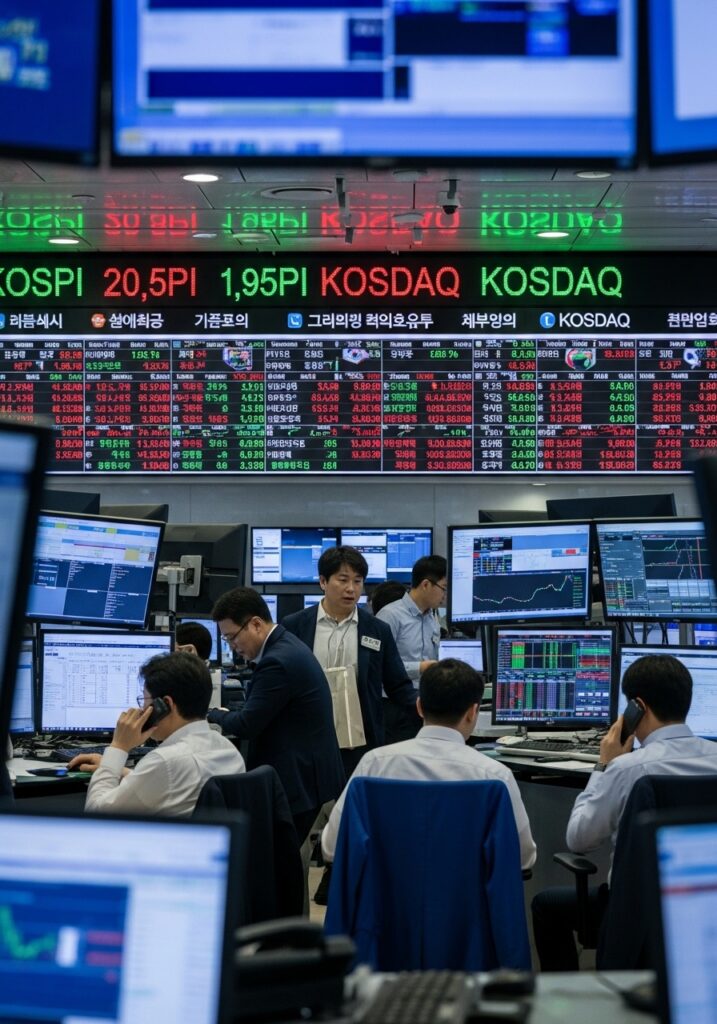
Understanding the KOSPI Index
The KOSPI index is the primary stock market index of South Korea, representing the performance of all common stocks listed on the Korea Exchange (KRX). For both domestic and international investors, the KOSPI South Korea stock index news March 2026 serves as a barometer of the country’s economic health, reflecting trends in technology, manufacturing, and finance sectors. Understanding the KOSPI is crucial for anyone following the South Korea economy or considering investment opportunities.
The KOSPI is calculated based on market capitalization, meaning that larger companies have a greater impact on the index. This is why global tech and automotive giants such as Samsung, Hyundai, and LG play a dominant role. When these companies perform well, the KOSPI tends to rise; when they face challenges, such as production delays or decreased exports, the index can fall, influencing investor sentiment both in South Korea and abroad.
Investors often compare the KOSPI with other major Asia markets, including the Hang Seng Index in Hong Kong and Japan’s Nikkei 225, to gauge regional economic trends. For example, global events like the March 2026 geopolitical conflicts or fluctuations in commodity prices can simultaneously impact multiple Asian indices. By tracking these movements, analysts can identify patterns that may affect South Korea’s stock market and economy.
The KOSPI also offers opportunities for diverse investment strategies. Long-term investors may focus on stable blue-chip companies, while short-term traders may capitalize on market volatility, news releases, and global economic shifts. For beginners, understanding how the KOSPI reacts to international events, such as changes in trade policies or geopolitical tensions, is essential for making informed decisions.
In addition to tracking individual companies, the KOSPI index reflects broader economic indicators. A rising KOSPI generally signals economic growth and investor confidence, whereas a declining index may indicate caution or concern about the South Korea economy. By following updates like the KOSPI South Korea stock index news March 2026, readers can stay informed about the market’s direction and anticipate potential impacts on investments.
In short, the KOSPI index is more than just numbers on a chart—it is a real-time reflection of South Korea’s economic activity, corporate performance, and global market sentiment. For anyone looking to understand the Korean stock market, the KOSPI provides a clear, measurable, and essential insight into the country’s financial landscape.
Factors Affecting South Korea’s Stock Market
The South Korea stock market, represented primarily by the KOSPI index, is influenced by a mix of domestic and international factors. Understanding these influences is essential for both investors and anyone tracking the South Korea economy. Market movements can be rapid, driven by global events, local policies, or industry-specific developments.
One of the most significant factors affecting the KOSPI is global economic trends. Events like fluctuations in the US dollar, commodity prices, or regional conflicts can directly impact South Korea’s export-heavy economy. For example, the March 2026 Middle East conflict caused short-term volatility across Asia markets, including the Hang Seng Index, Nikkei 225, and KOSPI. Investors often monitor these global indicators to anticipate changes in South Korea’s financial environment.
Domestic policy also plays a critical role. The South Korean government actively supports technology, manufacturing, and export industries through incentives, tax policies, and infrastructure investment. Positive policy announcements can boost market confidence, while regulatory changes or rising interest rates may create caution among investors. The KOSPI South Korea stock index news March 2026 highlighted such reactions, demonstrating how local policies directly impact market performance.
Company-specific factors are another key driver. South Korea’s top firms, such as Samsung, LG, Hyundai, and Kia, significantly affect the KOSPI because of their large market capitalization. Earnings reports, product launches, or disruptions in supply chains can move the market within hours. Moreover, investor sentiment often reflects broader public perception of these companies and their global competitiveness.
Finally, geopolitical risks and regional tensions can also influence the market. Historical volatility in North-South relations, trade disputes with neighboring countries, and international sanctions may affect investor confidence. These events often lead to short-term dips or spikes in the KOSPI, illustrating the interconnected nature of South Korea’s economy and global markets.
In conclusion, the KOSPI and South Korea stock market are influenced by global economic trends, domestic policies, corporate performance, and geopolitical factors. Investors and analysts who monitor these variables can better understand market movements and make informed decisions regarding their portfolios and economic forecasts.
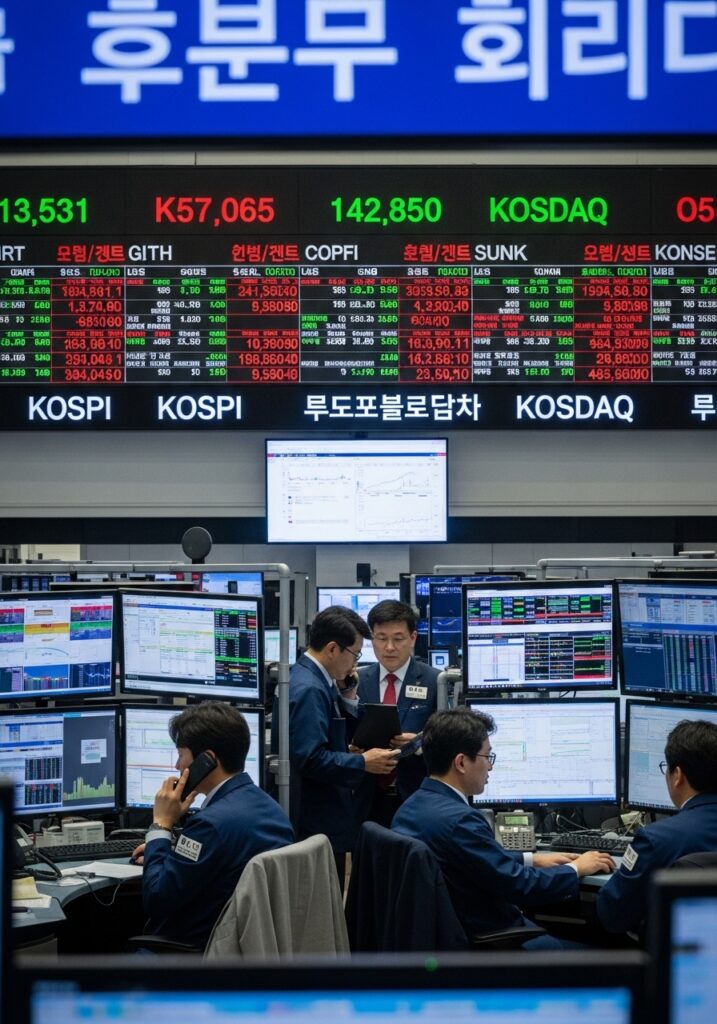
Investing in South Korea
Investing in South Korea offers a unique combination of high-tech innovation, industrial strength, and global connectivity. However, like any market, it comes with risks. Understanding the Korean stock market, including the KOSPI index, can help investors make strategic decisions.
Opportunities in South Korea primarily stem from its thriving technology and automotive sectors. Companies like Samsung, LG, and Hyundai dominate global markets, providing stability for long-term investors. The South Korea economy is export-oriented, meaning strong global demand for electronics, automobiles, and semiconductors can drive consistent growth. Additionally, South Korea’s financial infrastructure is highly developed, providing easy access for foreign investors interested in the KOSPI South Korea stock index.
Beyond tech, emerging sectors such as renewable energy, biotechnology, and startups present exciting growth opportunities. South Korea’s government policies often support innovation through grants and incentives, further encouraging investment. Investors seeking diversification may find value in combining traditional blue-chip companies with smaller, high-growth firms.
However, risks should not be ignored. Market volatility is a major factor, especially during geopolitical events or shifts in global trade. Regional conflicts, such as tensions on the Korean Peninsula, can trigger temporary market drops. Global financial fluctuations, like changes in the Hang Seng Index or Nikkei 225, can also influence South Korea’s stock market performance. Currency risk is another consideration for foreign investors, as fluctuations in the South Korean won may affect returns.
Investors must also consider company-specific risks. Supply chain disruptions, product recalls, or sudden regulatory changes can impact major corporations, thereby affecting the KOSPI index. Careful research, diversification, and monitoring of market news—including updates like KOSPI South Korea stock index news March 2026—are essential strategies for managing these risks.
In summary, investing in South Korea offers both stability and high growth potential. While opportunities abound in technology, automotive, and emerging sectors, investors must remain vigilant about geopolitical tensions, market volatility, and currency fluctuations. A well-informed approach can maximize returns while mitigating potential risks.
Pros and Cons
Investing in South Korea offers unique advantages, but it’s important to weigh both the pros and cons before making decisions.
Pros:
- Strong tech and automotive sectors: Companies like Samsung, LG, and Hyundai provide market stability and growth potential.
- Export-driven economy: Consistent global demand for electronics, cars, and semiconductors supports economic growth.
- Well-developed financial infrastructure: Easy access for foreign investors to participate in the KOSPI index.
- Government support for innovation: Incentives for startups and emerging industries create additional opportunities.
Cons:
- Geopolitical risks: Tensions on the Korean Peninsula and regional disputes can create market volatility.
- Market volatility: Global events, economic shifts, or company-specific news can cause rapid fluctuations.
- Currency risk: Changes in the South Korean won can impact returns for foreign investors.
- Industry concentration: Heavy reliance on tech and automotive sectors means that underperformance in these industries can significantly affect the KOSPI.
In short, while investing in South Korea offers substantial growth opportunities, particularly in technology and manufacturing, careful research, diversification, and awareness of global events are crucial for minimizing risk and maximizing returns.
FAQs
What is the KOSPI index?
The KOSPI is South Korea’s primary stock market index, representing all common stocks listed on the Korea Exchange. It reflects the overall performance of the South Korea stock market.
How often does the KOSPI fluctuate?
Like any major market index, the KOSPI fluctuates daily based on global events, company performance, and economic indicators. Events such as the March 2026 Middle East conflict can temporarily increase volatility.
How do global events impact South Korea stocks?
South Korea’s export-driven economy is sensitive to international trade trends, geopolitical tensions, and financial market shifts. Indices like the Hang Seng Index or Nikkei 225 often influence KOSPI movements.
Can beginners invest in South Korea?
Yes. Investors can access the Korean stock market through local brokers, global trading platforms, or ETFs. Understanding market fundamentals and monitoring updates like KOSPI South Korea stock index news March 2026 is essential.
What are the main risks when investing in South Korea?
Major risks include geopolitical tensions, currency fluctuations, market volatility, and company-specific issues like supply chain disruptions. Diversifying investments can help mitigate these risks.
Conclusion
The South Korea economy is a fascinating blend of innovation, industrial strength, and global connectivity. From its post-war recovery to becoming one of Asia’s leading technological and export powerhouses, South Korea demonstrates the resilience and dynamism that make it an attractive destination for both investors and analysts. Central to understanding the country’s economic performance is the KOSPI index, South Korea’s primary stock market benchmark, which reflects the health of major companies and provides real-time insights into investor sentiment.
The Korean stock market is influenced by multiple factors, including domestic policies, corporate performance, and global economic trends. Giants such as Samsung, Hyundai, and LG dominate the KOSPI, meaning their successes or challenges directly impact overall market movements. Additionally, international events—including the March 2026 Middle East conflict and the performance of other Asia markets like the Hang Seng Index and Nikkei 225 can trigger volatility in the KOSPI. Understanding these interconnected factors is essential for both seasoned investors and beginners looking to enter the market.
Investing in South Korea offers significant opportunities, particularly in the technology, automotive, and emerging sectors such as biotechnology and renewable energy. Government policies encouraging innovation and supporting startups further enhance growth potential. However, investors must remain aware of risks, including geopolitical tensions, market volatility, and currency fluctuations. Long-term strategies, diversification, and staying informed through updates like KOSPI South Korea stock index news March 2026 can help mitigate these risks and ensure more stable returns.
Beyond investment, following the South Korea economy provides a deeper understanding of the country’s global significance. Exports drive growth, while industrial and technological advancements maintain South Korea’s competitive edge. Even broader economic events such as policy shifts, trade developments, or regional tensions—highlight the country’s integration with the global financial ecosystem. For analysts, students, and enthusiasts, monitoring these indicators is invaluable for predicting trends and understanding market behavior.