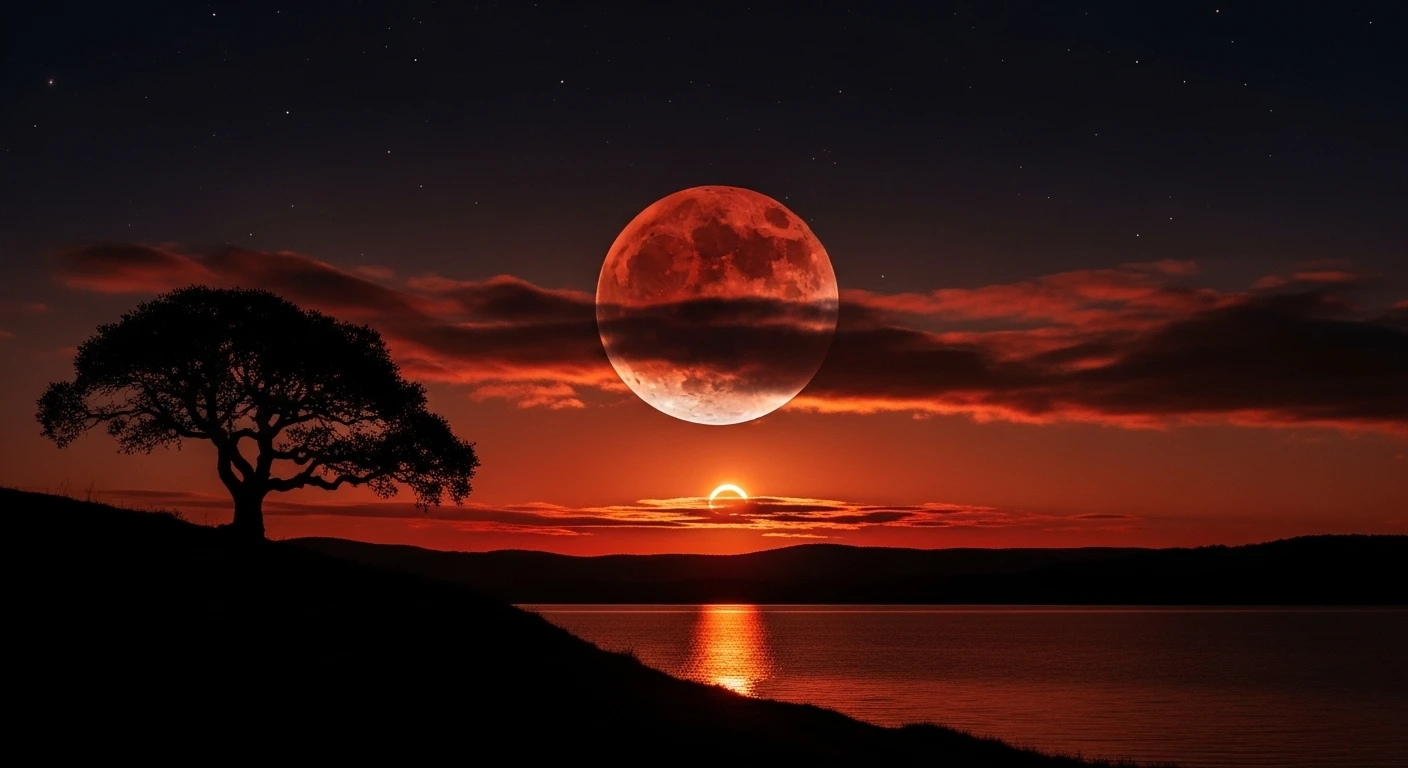
Explained Blood Moon total Lunar Eclipse in 2026

Introduction
The March 2026 Blood Moon lunar eclipse is one of the most anticipated astronomical events of the year. For many skywatchers, this is a rare opportunity to witness the Moon turn a deep red color, an occurrence that has captivated humans for centuries. The term “Blood Moon” refers to this reddish hue, which occurs during a total lunar eclipse when Earth passes directly between the Sun and the Moon. Sunlight refracts through Earth’s atmosphere, filtering out shorter blue wavelengths and allowing longer red wavelengths to reach the Moon, giving it the iconic copper-red glow.
If you are planning to watch, knowing the exact times of the Blood Moon eclipse March 3 2026 is essential. Depending on your location, you may see the Moon partially darken before reaching totality, when it appears fully red. Whether you choose to observe the eclipse in the night sky or through a lunar eclipse livestream, preparation ensures you don’t miss the peak phases.
Photography enthusiasts also have a unique chance to capture this celestial event. Using the right camera settings, lenses, and timing, you can take stunning images of the Blood Moon. Even smartphones, with careful planning, can produce impressive shots.
This guide will cover everything you need to know about the March 2026 Blood Moon lunar eclipse: exact timings, global visibility, livestream options, best viewing locations, photography techniques, and safety tips. By the end, you will be fully prepared to enjoy one of the most striking astronomical events of 2026. Whether you are a casual viewer, a photography enthusiast, or a student of astronomy, this event promises to be unforgettable.
What Is a Blood Moon?
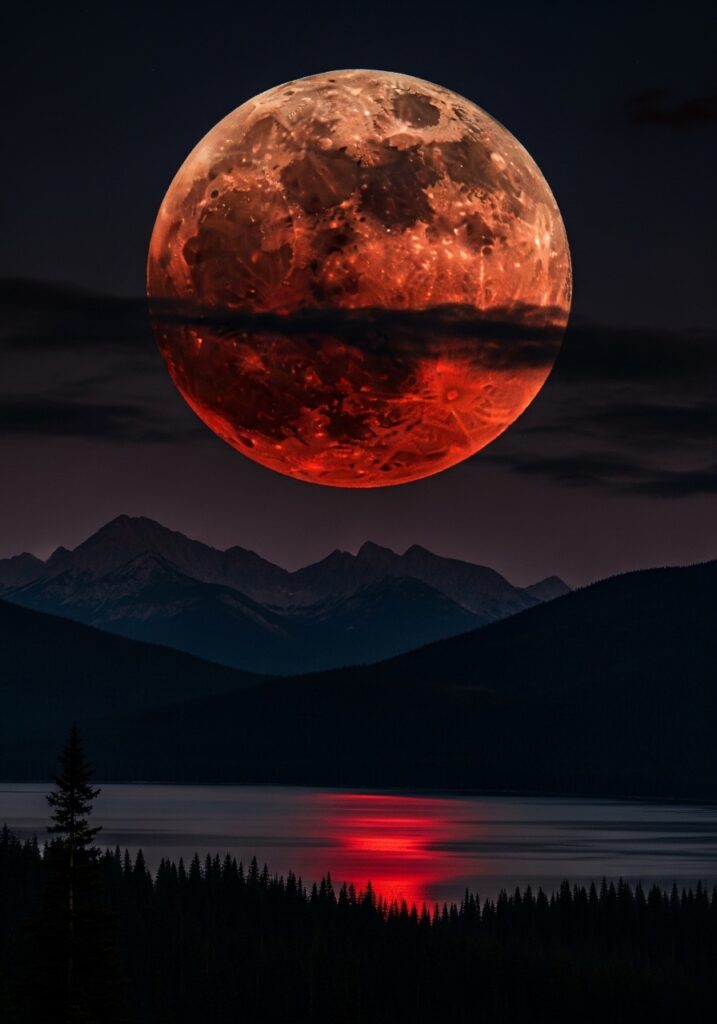
A Blood Moon is a special type of total lunar eclipse, where the Moon appears reddish in color. This happens when Earth comes directly between the Sun and the Moon, blocking direct sunlight from hitting the lunar surface. Some sunlight still reaches the Moon after passing through Earth’s atmosphere. The atmosphere scatters blue light while red and orange light pass through, giving the Moon its distinctive red tint.
Many people confuse a lunar eclipse with other lunar events, but the Blood Moon is unique. It occurs only during a total lunar eclipse, while partial eclipses only cover part of the Moon, producing less dramatic colors. The March 3, 2026 Blood Moon will be visible in various regions, and viewers may notice the Moon gradually darken as it enters Earth’s shadow before totality.
The phenomenon is not just beautiful; it has scientific importance. Astronomers study lunar eclipses to learn about the Earth’s atmosphere, including dust, pollution, and other factors that affect light refraction. For astronomy enthusiasts, photographing a Blood Moon lunar eclipse offers a chance to combine art and science, capturing both its beauty and its celestial significance.
Historically, Blood Moons have been associated with myths and cultural stories. Ancient civilizations often saw them as omens or signs of change. Today, while we understand the scientific cause, the event continues to fascinate people worldwide. Observing the March 2026 Blood Moon allows viewers to connect with both the history and science of lunar eclipses.
Whether you watch it live, join a lunar eclipse livestream, or photograph it, understanding the science behind the Blood Moon enhances the experience. It is not just a red Moon in the sky—it is a rare total lunar eclipse that combines beauty, science, and history, making it an unforgettable event for anyone who takes the time to observe it.
Exact Times for March 3, 2026
The March 3, 2026 Blood Moon lunar eclipse will unfold over several hours, with different phases visible depending on your location. Knowing the Blood Moon eclipse exact time March 3 2026 ensures you don’t miss this rare celestial spectacle. The eclipse will progress from the penumbral phase, where the Moon first enters Earth’s outer shadow, to partial eclipse, and finally totality when the Moon appears fully red.
For North America, the partial eclipse begins in the early evening hours, with totality occurring a few hours later. Observers in Europe, Asia, and parts of Africa may see different phases depending on their time zone, so it’s important to consult a global visibility map March 2026 to plan your viewing. The total eclipse may last over an hour, giving ample time to observe, photograph, or enjoy a lunar eclipse livestream if your region has poor visibility.
Here’s a simplified timeline of the Blood Moon eclipse on March 3, 2026:
- Penumbral phase begins: Moon enters outer shadow – subtle darkening visible
- Partial eclipse begins: Moon partially covered by Earth’s umbra
- Totality begins: Moon fully red – the peak of the Blood Moon
- Maximum eclipse: Deepest red hue, best for photography
- Totality ends: Moon starts to emerge from Earth’s shadow
- Partial ends: Moon gradually returns to normal brightness
- Penumbral ends: Eclipse complete
For beginners, the best time to watch is during totality when the Moon is fully red. Using apps or online calculators for your local time zone can help ensure you don’t miss the event. If weather or local visibility is limited, you can also tune into a lunar eclipse livestream, which provides a real-time view of the Blood Moon with expert commentary.
Knowing the exact times allows photographers to plan settings, find the ideal location, and capture the eclipse’s progression. Even casual viewers benefit from knowing when the eclipse reaches totality, making the March 2026 Blood Moon accessible to everyone, no matter where they are in the world.

Where to Watch the Blood Moon
The Blood Moon lunar eclipse March 2026 is visible in multiple regions across the world, but viewing quality depends on geography, weather, and local conditions. The best locations are areas with a clear view of the night sky, minimal light pollution, and stable weather during the evening of March 3, 2026. Observers at higher elevations often enjoy the clearest view.
Some key tips for viewing the Blood Moon include:
- Choose a location with an unobstructed horizon; trees, buildings, or mountains can block the early phases.
- Avoid city centers or areas with excessive artificial lighting.
- If possible, join local astronomy clubs or observatories that host public viewing events. These venues often provide telescopes, guidance, and community interaction.
- For regions where the eclipse may be partially visible, tuning into a lunar eclipse livestream ensures you can still experience totality.
For enthusiasts looking to photograph the eclipse, a wide-open space is critical. The Blood Moon is best photographed against dark skies without city light interference. Even with a smartphone, using a tripod and a telephoto lens will help capture clear images of the Moon’s red glow.
Regardless of location, the Blood Moon lunar eclipse offers a unique opportunity for education and observation. Teachers, students, and amateur astronomers often use these events to explore concepts like Earth’s shadow, atmospheric refraction, and lunar phases. Observing the eclipse firsthand provides context for astronomy lessons, making the March 2026 Blood Moon both visually spectacular and scientifically valuable.
Livestream Options
For those unable to see the March 3, 2026 Blood Moon due to weather, geographic limitations, or daylight hours, a lunar eclipse livestream is an excellent option. Many astronomy organizations and science platforms will provide live feeds, often with commentary and educational explanations.
Top livestream platforms include:
- NASA’s official website and YouTube channel
- Major observatories’ live feeds
- Online astronomy communities and news platforms
Watching via livestream ensures you can catch all phases of the Blood Moon eclipse, from penumbral entry to totality and exit. It also provides context for first-time viewers, explaining the science behind why the Moon turns red and what to expect visually. Livestreams are especially helpful for educators who wish to incorporate the event into lessons or for hobbyists in regions with poor visibility.
Tips for an optimal livestream experience:
- Check the schedule in your local time zone to avoid missing key phases.
- Use a large screen or projector for better viewing.
- Pair livestreams with notes on lunar phases to understand penumbral, partial, and totality stages.
Livestreaming makes the Blood Moon accessible to everyone, regardless of location, and complements the experience of observing it directly.
Photography Tips
Capturing the Blood Moon lunar eclipse March 2026 requires some preparation. Here are the key tips for beginners and enthusiasts:
- Use a telephoto lens or telescope for detailed shots.
- Keep your camera steady with a tripod to avoid blurring.
- Adjust ISO, shutter speed, and aperture according to the Moon’s brightness and totality phase.
- Smartphone photography is possible with proper apps and stabilization.
Consider timing: the peak of totality offers the deepest red hue, which is ideal for photography. Wide-angle shots can capture the Moon in a landscape, while close-ups emphasize its surface details.
Pros and Cons
Pros:
- Capture stunning, memorable images
- Shareable content for social media or educational use
- Opportunity to learn photography techniques
Cons:
- Requires planning and equipment
- Misses some live experience while focusing on camera
- Dependent on clear skies
Viewing Safety Tips for the March 2026 Blood Moon
Watching the March 2026 Blood Moon lunar eclipse can be an unforgettable experience, but proper preparation and safety measures can make your observation even more enjoyable. Unlike solar eclipses, lunar eclipses are completely safe to watch with the naked eye. You do not need any special glasses or filters because the Moon’s light is not harmful to your eyes. However, there are several practical steps you can take to ensure comfort, safety, and the best possible viewing experience, especially if you plan to photograph or observe the eclipse outdoors.
Choose a Safe and Comfortable Viewing Location
The most important safety consideration is your viewing location. Choose a site that is:
- Open and free from tall trees, buildings, or mountains that could obstruct the view of the Moon as it rises or moves across the sky.
- Well-lit enough to navigate safely but away from excessive artificial light, as light pollution can reduce the visibility of the Blood Moon’s reddish glow.
- Flat and stable, especially if you plan to set up a tripod for photography. Uneven terrain or slippery surfaces can increase the risk of falls in the dark.
If you are observing in a public park or remote location, consider bringing a small flashlight with a red filter. Red light preserves your night vision, allowing your eyes to adjust to the darkness without affecting the vivid view of the Blood Moon.
Dress Appropriately
The lunar eclipse on March 3, 2026, will take place at night, and temperatures in many regions may drop significantly. To stay comfortable:
- Wear layers of warm clothing, including hats and gloves if necessary.
- Bring a blanket or portable chair so you can sit while observing. Standing for hours in cold weather can become uncomfortable.
- Pack snacks and water, especially if you are traveling to a location away from facilities.
Staying comfortable helps you focus on observing or photographing the Blood Moon instead of being distracted by cold or fatigue.
Equipment Safety Tips
If you plan to use a telescope, binoculars, or camera equipment, follow these precautions:
- Set up tripods on stable ground to prevent tipping over.
- Ensure camera cables or power cords do not create a tripping hazard.
- Protect your equipment from moisture, dew, or unexpected rain by bringing covers or waterproof bags.
- For beginners using smartphones, use a tripod adapter to stabilize the phone while capturing images of the Blood Moon eclipse.
Remember, safety is just as important as getting the perfect shot. Never sacrifice stability or secure footing to adjust your camera for a slightly better angle.
Protect Yourself in Dark Environments
Observing the Blood Moon often involves low-light conditions. To avoid accidents:
- Avoid walking around in complete darkness; use dim, red lights to navigate.
- Keep your viewing area free from obstacles like rocks, chairs, or cables.
- If you’re observing with children or pets, supervise them carefully to prevent falls or injuries.
a Safe and Enjoyable Viewing Experience
- Arrive at your viewing site at least 30 minutes early to get settled and let your eyes adjust to the darkness.
- Use binoculars or a small telescope for a closer view, but remember to handle them carefully to avoid drops or damage.
- If watching remotely via a lunar eclipse livestream, ensure your device is fully charged and connected to a reliable internet source.
By following these viewing safety tips, you can fully enjoy the March 2026 Blood Moon without stress or risk. Whether you plan to photograph the event or simply watch it with friends and family, preparation ensures a smooth, memorable, and safe experience. Remember, the Blood Moon is a rare event, and a little planning goes a long way in making the observation both enjoyable and secure.
FAQs
Why is the Moon red during a Blood Moon?
During a total lunar eclipse, Earth blocks direct sunlight from reaching the Moon. However, some sunlight passes through Earth’s atmosphere, which filters out blue light and allows red and orange light to reach the lunar surface. This gives the Moon its striking red color, creating the iconic Blood Moon. It’s nature’s way of turning the Moon into a glowing celestial show!
How long does the Blood Moon last?
The entire March 2026 Blood Moon eclipse lasts about 3–4 hours, including the penumbral and partial phases. The magical moment of totality, when the Moon is fully red, can last over an hour, giving you plenty of time to watch, photograph, or just marvel at the sky.
Can I see the Blood Moon everywhere?
Visibility depends on your location. Some regions may see the full eclipse, while others only catch partial phases. To plan your viewing, check a global visibility map March 2026 or follow a lunar eclipse livestream if your area isn’t ideal.
Can I photograph the Blood Moon with my smartphone?
Absolutely! With a tripod or a stable surface, your smartphone can capture stunning images. Apps that allow manual focus and exposure adjustments can help highlight the Moon’s red hue. Even if you’re not a professional photographer, you can create memorable photos of the March 2026 Blood Moon.
Is it safe to watch the Blood Moon?
Completely safe! Unlike solar eclipses, lunar eclipses don’t require special glasses. You can watch the Moon directly with your eyes. Just dress appropriately for the night, find a safe viewing spot, and enjoy the cosmic spectacle!
Conclusion
The March 2026 Blood Moon lunar eclipse is more than just a red Moon in the night sky—it is a spectacular celestial event that combines science, beauty, and cultural fascination. By understanding the science behind the Blood Moon, the phases of the lunar eclipse, and the exact timing of the event, you can fully appreciate this rare astronomical phenomenon. Whether you are watching in person, photographing it, or following along via a lunar eclipse livestream, preparation enhances your experience and ensures you don’t miss a single moment of totality.
One of the most exciting aspects of the March 3, 2026 Blood Moon is its accessibility. With proper planning, anyone can enjoy the event from nearly any location, provided the sky is clear. Using a global visibility map March 2026 or checking local timing for the eclipse allows viewers to anticipate the penumbral, partial, and total phases. Even if clouds or weather limit visibility in your area, streaming the Blood Moon eclipse live online ensures you can still witness the Moon’s stunning red glow in real time.
For photographers and enthusiasts, the March 2026 Blood Moon offers a rare opportunity to capture breathtaking images. By using a tripod, adjusting camera settings for low-light conditions, and focusing on totality, both professional and amateur astronomers can create memorable photographs. Even smartphone users can take advantage of this event with the right preparation, demonstrating that the Blood Moon is not just a visual spectacle but also a creative opportunity.